

Mosque Domes


Gigantic Mosque complex in Medina, Saudi Arabia,
Burial site of the Prophet Muhammad under green dome,
where in 1279 a wooden cupola was built over the tomb.

World's largest (400K sqm) Mosque, Mecca, Saudi Arabia,
developed around the Kaaba, built by Abraham & Ishmael,
as the first house of worship on earth.
Also the birthplace of the Prophet Muhammad.

Al-Aqsa Mosque compound, Jerusalem

Dome of the Rock, Jerusalem,
covering the 'Foundation stone',
the place of 'Sacrifice of Isaac' by Abraham.


King Khalid Airport Mosque, Saudi Arabia

St. Petersburg Mosque, largest one in Europe

King Khalid Grand Mosque, Saudi Arabia

Kul Sharif Mosque, Kazan, Russia


Moscow Cathedral Mosque, Russia

Zahir Mosque, Malaysia
5 domes symbolize Islam's 5 primary values.

'Taj-ul Masajid' Mosque, Bhopal, India,
means 'Crown of mosques', Mughal architecture.

Crystal Mosque, Malaysia
crafted from steel and glass

Sheikh Zayed Grand Mosque, Abu Dhabi, contains
Persian, Moorish, Arabic, Mughal styles of architecture.

Al Rajhi Mosque, Hail, Saudi Arabia

Malacca Straits Mosque, Malaysia


Faisal Mosque '8-sided Bedouin tent', Islamabad
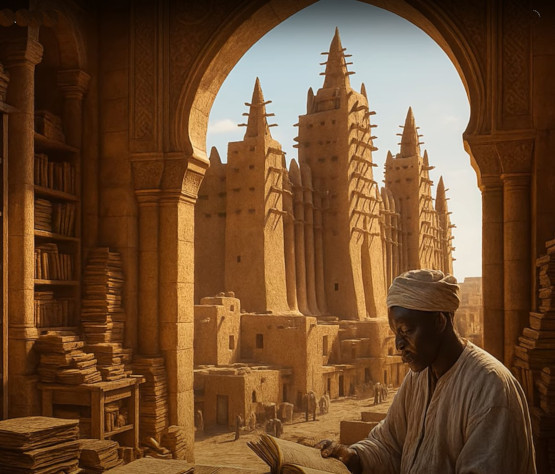
Mosques and Madrasas
The design of Timbuktu's mosques and madrasas is defined by the unique Sahelian style of architecture, which included pointed arches and ribbed vaults, utilizes sun-dried mud bricks and wood. Key design elements:
Materiality and climate control: Timbuktu's mosques are constructed from adobe, a mixture of mud, clay, sand, and organic materials like straw and rice husks. This thick mud plaster acts as a natural insulator, keeping the interior cool in the hot desert climate.
Toron: The torons are wooden support beams that stick out from the mosque's exterior walls. These beams serve as a built-in scaffolding system that allows masons to climb the walls for the annual re-plastering, a vital maintenance tradition that protects the structure from erosion.
Buttresses: The architecture incorporates thick, sloping buttresses that provide crucial support to the earthen walls. The conical minarets seen on some mosques were reportedly inspired by Egyptian pyramids.
Courtyards and prayer halls: Large, open courtyards provide an expansion space for worshippers during the summer months. The prayer halls are typically hypostyle, with rows of columns supporting a flat, wooden roof.
Great Mosque, Xi'an, China (742-1384 AD):

Phoenix Pavilion

"Examining the Heart" Tower